Total Pageviews

8/03/2016

Fashion bloggers

With top-tier fashion bloggers raking in multimillion-dollar campaigns, it’s no wonder every self-proclaimed fashionista wants to launch a personal style site. But not all outfit posts are created equal. These fashion bloggers stand out from the pack thanks to their one-of-a-kind sartorial sense and sharp business acumen. Click through the slideshow above to meet the dynamic women ruling the blogosphere and our picks for the best fashion blogs of 2016. May the best blog win.

The Spice Girl/sentient clavicle bone

Described as a "youthful contemporary clothing brand," Moore was inspired by never being able to find t-shirts that fit her wiry frame/height (5'10). Ugh!!! It plateaued hard for four years, despite being sold in most major department stores. I'm missing you like...oh, never mind.


12. Ashlee Simpson for Wet Seal
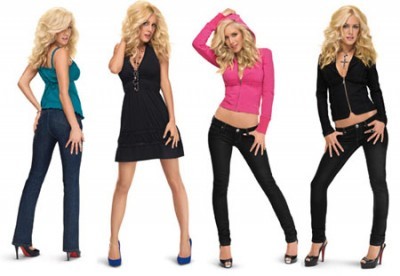
Wet Seal, possibly the worst name for a clothing store chain, sold Simpson's line at locations around the country when she attempted to follow, yet again, in her older sister Jess' fashion-designing footsteps. Simpson said of her T-shirt and "rock 'n roll"-esque collection, "I was inspired by so many fun things." :/

11. Heidiwood, by Heidi Montag (2008-2009)
Surfing the success swell of The Hills, tragi-hero Heidi Montag released her own brand (Spencer, I blame you), which was an attempt to rival Lauren Conrad's now wildly successful everything. Anchor Blue launched the endearingly affordable line, including tank tops, and booty shorts. As The Cut described, "at least she knows her demographic."

10. 6126, by Lindsay Lohan (2008-2009)
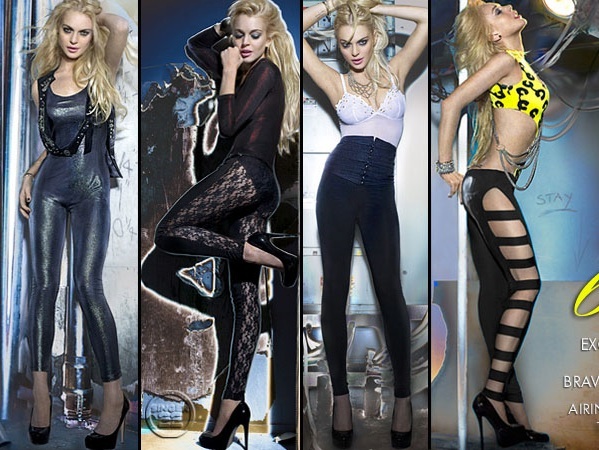
During the LiLo Dark Ages (2006-roughly 2011/12 and kind of 13) the starlet attempted to become a maven of leggings, naming her line after the birthday of her idol, Marilyn Monroe... June 6, 1926. The absurdly overpriced pairs legwarmers were (not surprisingly) unsuccessful; Lohan was eventually sued by her manufacture for $5 million, blaming her messy reputation as the reason for the line's failure. "I still think the legwarmers could've been somethin'," said Dina Lohan, smoking a cigarette in her car in a 7-11 parking lot.


9. Dear, by Amanda Bynes (2007-2008)
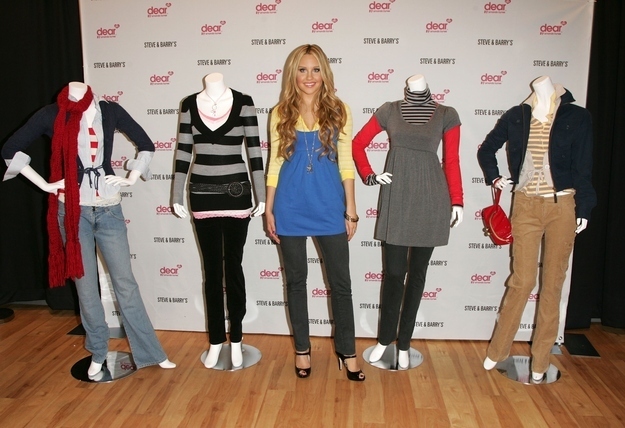
Launched by Steve and Barry's as the youthful counterpart to Sarah Jessica Parker's bomb "Bitten," Bynes' layer-inspired brand faded into oblivion following the bankruptcy of Steve and Barry's...like everything else in 2008. According to a somewhat unsettling Facebook page (that, for all we know, is managed by Bynes herself), the clothes are still sold on eBay.

8. The Katherine Heigl Collection by Katherine Heigl (2007-2007
)
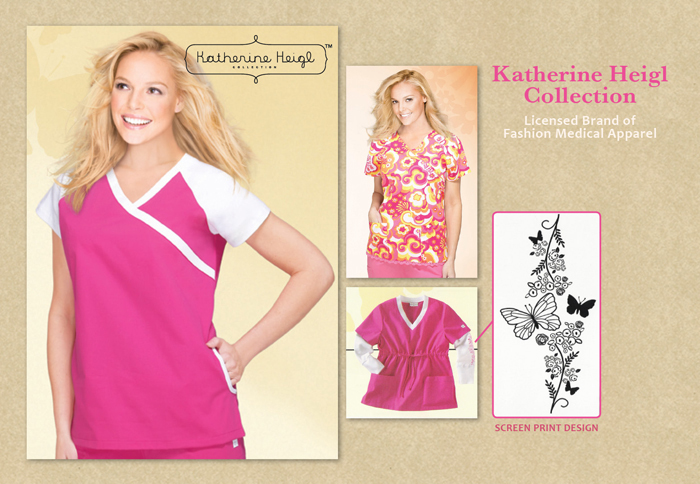
After winning an Emmy for Grey's Anatomy in 2007, Heigl paired up with Scrubs and Beyond to launch a line of medical scrubs for 30 days only. Yep! This is a thing that happened in history! You wanted scrubs on that 31st day???? Sorry!! None for you!!!!! JK... the colorful scrubs are still available on eBay. I'll see you all in hell.

7. Sweetface, by JLo (2003-2009)
Jenny from the Block launched her line, initially as the streetwear spinoff to our current cover star's classier Jennifer Lopez Collection. Eventually, Sweetface got fancy with chiffon mini-dresses and fur chubbies. In 2008, S-Face burned out faster than the shame I have for only knowing 1/3 of the lines from JLo's seminal classic "Enough."


6. Abbey Dawn, by Avril Lavigne (2008-present)
The Canadian pop-rocker launched a mall punk-inspired line, described as a reflection of her own "rock'n' roll lifestyle" -- aka clothes that look like they smell like a Spencer's Gifts. Lavigne is laughing all the way to the bank, though -- she continues to make a killing off it. Also, A.D. was responsible for the first time Kylie Jenner walked on a New York Fashion Week runway, way back in 2011...when Avril and Kylie's big bro Brody were open-mouth kissing all over Los Angeles.

Kendall was there, too.

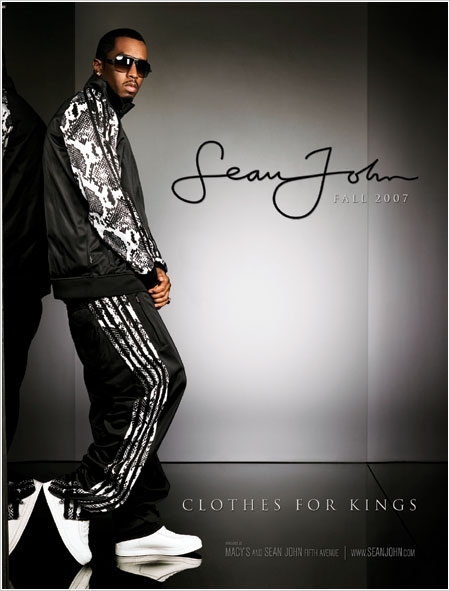
5.  Sean John, by P-Diddy/Puff Daddy/Sean Combs (1998-present)
P-Diddy's massive brand has been rattling around every major department store since the late 90s. It's won a CDFA Award (in 2004), been the subject of scrutiny for its violation of Honduran safety lines where its factories were based, but still remains solid today. The line makes $250 million a year. Slay that Kohl's, Didz!


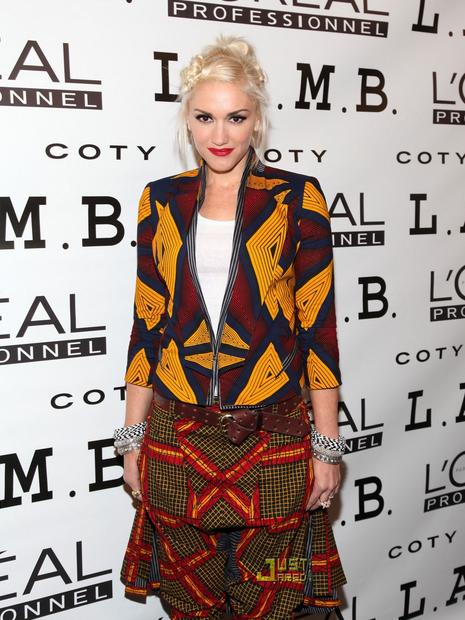
4. L.A.M.B, by Gwen Stefani (2003-present)

Initially started as a passion project (that's when you have a project that you're also passionate about), Stefani's line is still popular today. It was initially inspired by Guatemalan, Japanese, Indian, and Jamaican fashion. According to Wikipedia, it's been worn by celebs from Nicole Kidman to Teri Hatcher. The line makes $90 million a year, thanks to Gwen's ingénue, and Teri Hatcher.

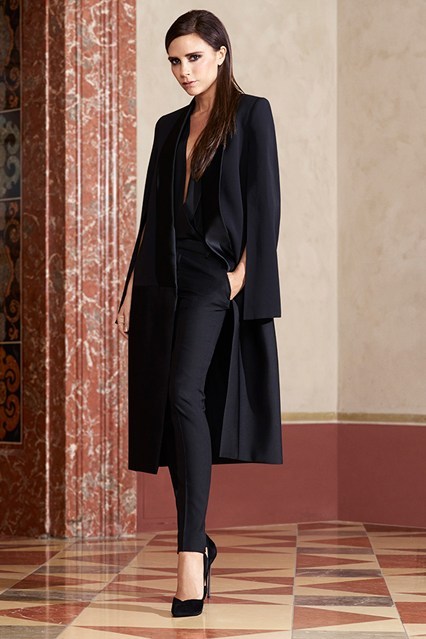
3. Victoria Beckham, by Victoria Beckham (2011-present)
The Spice Girl/sentient clavicle bone is doing the damn thing in the fashion world, with her line exploding over the past few years. Initially just dresses, the brand has expanded to other merchandise since '11 (like handbags worth 18,000 pounds). V.B. made $95 million in its first year alone. I <3 you, Vic.

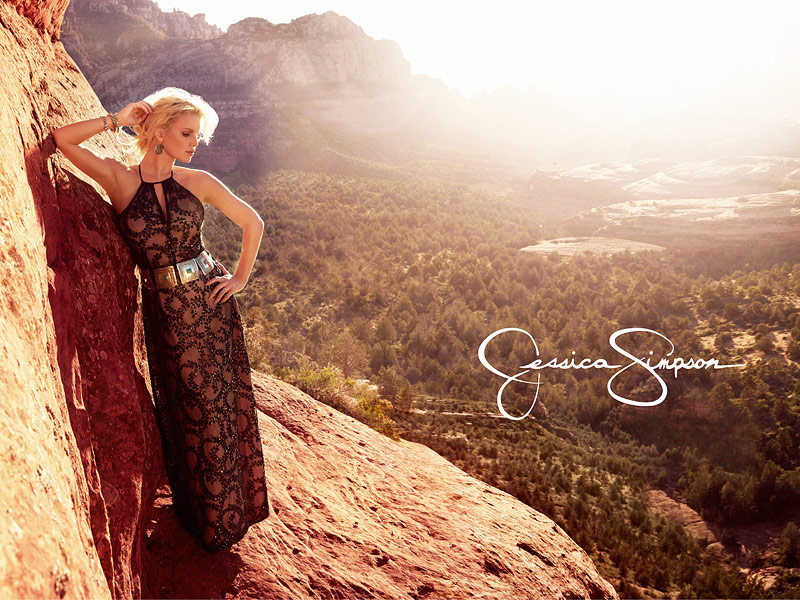
2. The Jessica Simpson Collection, by Jessica Simpson (2006-present)
J-Simps may not be doing much of the music thing anymore, but that is just fucking fine, as evident of her unfathomably successful fashion empire. Simpson's line, including shoes, handbags, dresses, makes $1 billion a year. Guess whose pickin' up Papa Joe Simpson's tab for a staycation with his latest male companion at the Marriott Courtyarddddddddddddd?!?!

1. Every-fucking-thing, by Mary Kate & Ashley Olsen (from the beginning of time to now)
Since their inception in Full House/literally just being born, the Olsen twins have dominated, launching Wal-Mart lines as pre-teens, into their super chic clothing lines today, including The Row, and Elizabeth and James. The two have been praised for their legitimate fashion genius, showered with CDFA awards, and are also lauded for their commitment to the rights of their employees. With one ruffle of a wool shawl, their companies generate billions a year.


Honorable mention: Liza Minnelli's HSN Clothing line.

Inspired by Liza!!!!!!!!!!! The clothing line launched in 2010, including statement jewelry, "velvet halter jumpsuits," and most importantly, sequined boyfriend blazers. Her appearance on HSN, immortalized by Rich Juzwiak of Gawker, features Minnelli repeating to the viewer, "Wear the clothes...don't let the clothes wear you." Her line is at various department stores.

To stretch or not to stretch?

To stretch or not to stretch? The latest understanding of preworkout routines may have you rethinking yours.


Recently, the New York Times summed up the latest evidence suggesting that static stretching — slowly moving muscles until they just start to hurt and holding the stretch briefly — doesn’t prevent injuries, and actually impairs strength and speed in some athletes. According to the Times, two recent studies support limiting stretching before physical activity. The Times reports:

One, a study being published this month in The Journal of Strength and Conditioning Research, concluded that if you stretch before you lift weights, you may find yourself feeling weaker and wobblier than you expect during your workout. Those findings join those of another new study from Croatia, a bogglingly comprehensive reanalysis of data from earlier experiments that was published in The Scandinavian Journal of Medicine and Science in Sports. Together, the studies augment a growing scientific consensus that pre-exercise stretching is generally unnecessary and likely counterproductive.
One of the studies from researchers at the University of Zagreb reviewed 104 studies of people who only practiced static stretching as their warm-up and found that stretching reduced muscle strength by 5.5%. The second study looked at fit men who completed basic squats while lifting barbells either with or without stretching beforehand. Those that stretched lifted 8.3% less weight than those who didn’t.
And these are not the only studies to report the trend. In fact, most physical trainers haven’t recommended long bouts of stretching before workouts for quite some time. Most suggest just a little light and brief stretch beforehand, and spending more time on recovery stretching afterwards. “It has been a long time since anyone has recommended extensive stretching before exercise, because it has been known for a while now that the best time to stretch is after,” says Richard Cotton, the national director of certification at the American College of Sports Medicine (ACSM).

(MORE: It’s Not Too Late to Start: Tips for Training for a Distance Run)
So why did stretching become such an indelible part of the preworkout routine? It can help with flexibility and improve range of motion, but trainers say many people conflated stretching with warming up muscles. Most people stretch to prime muscles for the workout to come, but there is little evidence that it prevents injuries. “I think stretching is an important part of the physical-fitness regime, but there have been some misconceptions about it. People think that if they stretch before an activity it will prevent injury, but there are no studies to date that show it alone prevents injuries,” says Lynn Millar, a professor of physical therapy at Winston-Salem State University in North Carolina. “If you go back to training guidelines, they say that stretching is part of it, but not all of it. It should not be done alone as a warm-up.”

What makes stretching so potentially harmful to muscles? Cotton believes muscles may actually lose flexibility when they are overworked, somewhat like what happens when you continually stretch a rubber band. “It gets kind of limp. If you overstretch your muscle and then demand a power activity, it makes all the sense in the world that it doesn’t have the power or force that it would if it hadn’t been stretched,” he says.
(MORE: 5 Common Mistakes You’re Making at the Gym)

Even the ACSM’s Resources for the Personal Trainer manual isn’t much help in resolving the stretching question, since there isn’t much scientific evidence documenting the risks and benefits of flexibility training; most of the advice on the subject, the manual notes, is based on the personal experiences of coaches, physicians and trainers rather than a solid understanding of human anatomy, physiology and biomechanics. “Unfortunately, the existing science of flexibility training often presents fitness professionals with more questions than answers regarding the benefits and risks of stretching,” the manual reads.
Here’s what is known — stretching and flexibility training can give people a wider range of motion in their joints, which can help them to perform their daily activities and improve balance and posture, which are important in preventing falls and other injuries as people age. The risks of stretching include decreased strength, especially in weight-bearing activities.

So when it comes to preparing for a workout, it may make sense to focus on warming up the body rather than simply stretching muscles. That means adding exercises in addition to light stretching, like jumping jacks, which can prepare the body for intensive activity without making the muscles vulnerable to overwork. “If someone is jogging or walking, I recommend a gentle warm-up that takes less than a minute to stretch the quadriceps, hamstrings and calves,” says Cotton. “I feel better when I do that, but I wouldn’t mandate it for every client. There is value in stretching to increase range of motion and enhance activities of daily life.”
(MORE: Do Sports Products Really Enhance Your Workout? Maybe Not)

Of course, everyone’s needs and capabilities are different, and the amount and type of stretching should be tailored to the individual. For instance, athletes like swimmers and gymnasts may spend more time doing dynamic stretches, which involve movements that take the body through its entire range of motion. Anyone who is recovering from an injury, in which there may be considerable scar tissue that limits range of motion may also require a bit more stretching to prevent further damage to joints and muscles.

Stretching does have its benefits, say trainers, it’s just a matter of understanding how to incorporate the right amount and type of stretching into the activity you have planned. For most people, that may mean adding more warm-up routines and cutting back from intensive stretching before exercise, but not writing it off completely. “Some people say, ‘Well if it doesn’t prevent injuries [during exercise], why do it?'” says Millar of stretching. “I say, don’t throw the baby out with the bath water. Stretching keeps your normal flexibility, and research shows keeping it part of your routine, either after your workout or later in the day, can prevent injury.”

Jessica Simpson

Jessica Simpson may not have cultivated the reputation of World's Best Actress (or Singer), but she is at the top of the celebrity-fashion class — at least when it comes to her bottom line. Last year, New York magazine noted that Simpson was on track to becoming the first celebrity whose fashion line would top $1 billion in sales. (She raked in $750 million in 2010.)

When the publication put her on its February cover, it called her "Jessica Simpson, Fashion Mogul." In addition to shoes, apparel, accessories and fragrances, her line has recently expanded to include diamond-clad jewelry. Prices for the bling start at $79, which is indicative of Simpson's niche: she's the fashionable girl next door whose simple look other girls in the neighborhood can afford to copy.


Jessica Simpson